The home renovations you do & don't need planning permission for

Published 5/23/2022
As a nation, it’s fair to say we’re obsessed with our homes. Whilst the pandemic may have pushed our usual renovation spending sky high, on average we spend around £15,000 per year renovating, changing and updating our property.
But, knowing what you do and don’t need planning permission for will help save you a lot of time, energy – and most importantly money.
Internal renovations
If you’re bored of your interior décor or even layout, the great news is virtually all internal building works don’t require planning permission. Whether you’re looking to rewire your house or fit a new kitchen, you can go right ahead!
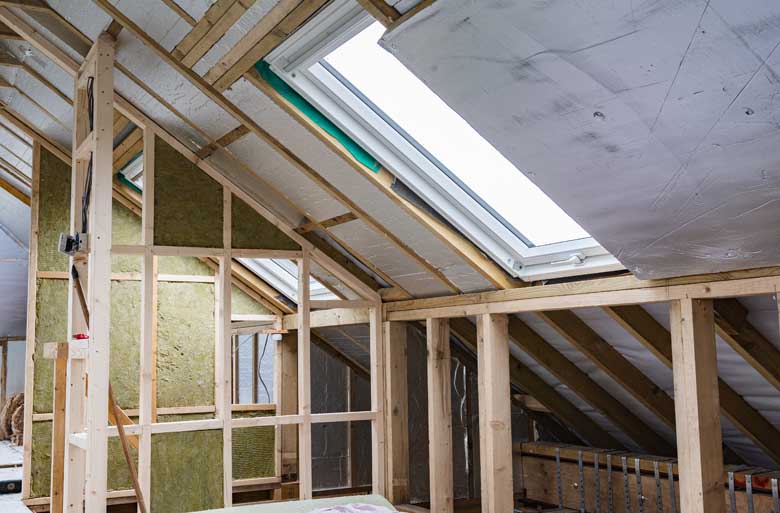
Of course, if you are planning on a loft conversion, you will need building regulations approval to make it a bona fide liveable space and market it as such.
Equally, if you live in a listed property or a conservation area, you should double-check if you need planning permission.
Extensions
Homes in the UK have the smallest footprint compared with any other European country. With an average of just 71.9 square metres, extensions are a popular renovation project to help increase space.
The good news is that most extensions are generally considered to be permitted development.
This means you won’t need to get planning permission, as long as:
- The extension is no more than half the area of land around the original house
- The extension is not forward of the principal or side elevation onto a highway
- The extension is not higher than the highest part of the roof line
- If it’s a single-storey extension, it doesn’t extend beyond the original rear wall by more than eight metres for a detached house, or more than six metres for any other property type
- If it’s single-storey it doesn’t exceed a height of four metres and no more than half the width of the original house
- The materials used are similar in appearance to the existing house
- The extension does not include balconies, verandas, or raised platforms
- Upper-floor, side-facing windows are fitted with obscure-glazing, and any opening is 1.7 m above the ground
Conservatories
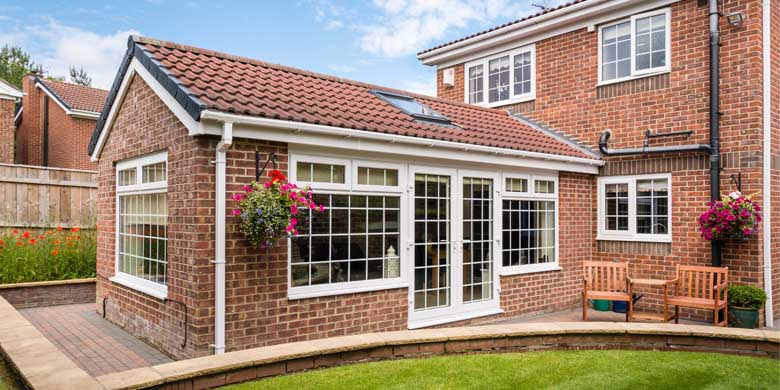
Conservatories were once a popular addition to any home. Like an extension, conservatories fall under the same planning constraints and by and large don’t require planning permission.
However, as part of the new climate change regulations, window size will be limited to a specific percentage relating to the floor area of a room and house.
It’s also worth noting that some deeds have covenants that restrict the use of extensions or additions to a property without the consent of the grantor of the covenant.
Garages, sheds, and outbuildings
Most garages, sheds, outbuildings, and the ever-popular garden room, are also considered to be permitted development.
However, there are always exceptions, so it’s worth contacting your Local Planning Authority for further information regarding planning exemptions for buildings.
External walls, doors, and roofs
If you’re planning on minor exterior maintenance works, like painting exterior walls or changing your garage doors, you don’t need planning permission – unless you live in a conservation area or listed property.
In addition, most roof alterations, like replacing a roof or installing a skylight are deemed permitted development. However, if you live in a flat and wish to alter the roof, you should consult the local planning authority before you start any work.
Landscaping
Landscaping is a great way to transform the look and feel of a home, however, planning permission can be necessary depending on what you want to do.
If you’re considering paving over the front garden and creating a new driveway, unless you’re using a porous material, you may require planning permission.
It’s also worth noting that many trees are protected by preservation orders, and you will need permission to prune or remove a tree. You should contact your local council to check if any trees on your land are protected before contacting tree surgeons.
Equally, for fences, gates, and walls, you will need planning permission if:
- It will be erected next to a road and over 1 metre high
- It will be over 2 metres anywhere on the boundary
- Your house is listed
- It forms a boundary with a listed building
Find local trusted tradespeople
If you don’t need planning permission, or you’ve been granted planning permission for your home renovation project, you’ll need to find local trusted tradespeople.
My Local Toolbox helps connect homeowners to great local tradespeople.
To get quotes from local tradespeople – post a job now.